

An online reputation management consultant looks at what people see and say about your business online, fixes the parts you control, replies properly to the parts you do not, and builds honest proof over time. Online reputation management, or ORM, is that whole job. What no consultant can honestly do is promise that a review, an article or a search result will disappear.
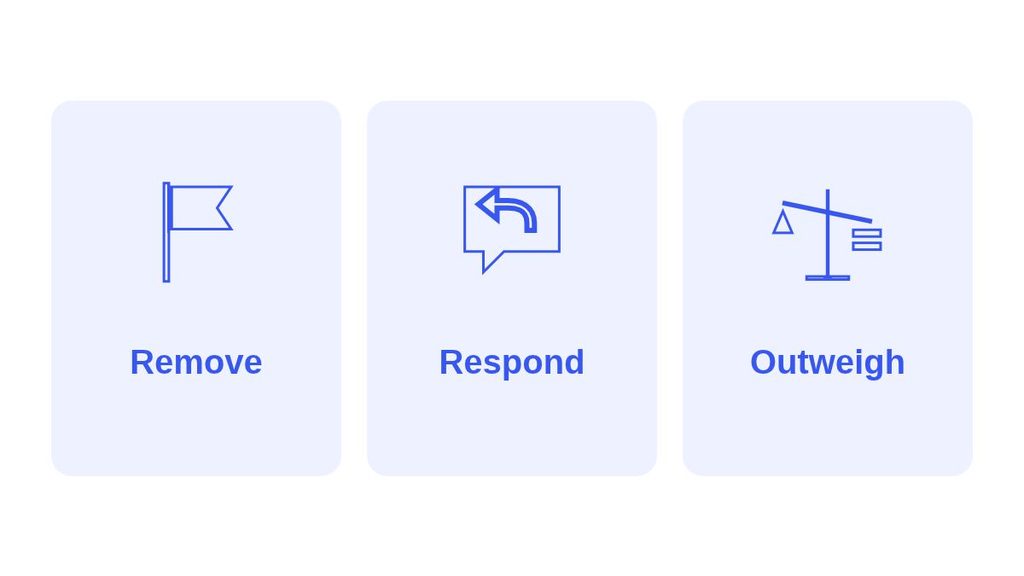
If you have seen bad reviews, an unfair post or weak results when someone searches your name, this guide explains what can be removed, what can only be answered, and what has to be outweighed with better content.
Table of Contents
[IMAGE 1: A business owner reading customer feedback on a laptop with generic star ratings on screen. Alt text: Business owner reviewing customer feedback with an online reputation management consultant. Filename: online-reputation-management-consultant.jpg]
What does an online reputation management consultant do?
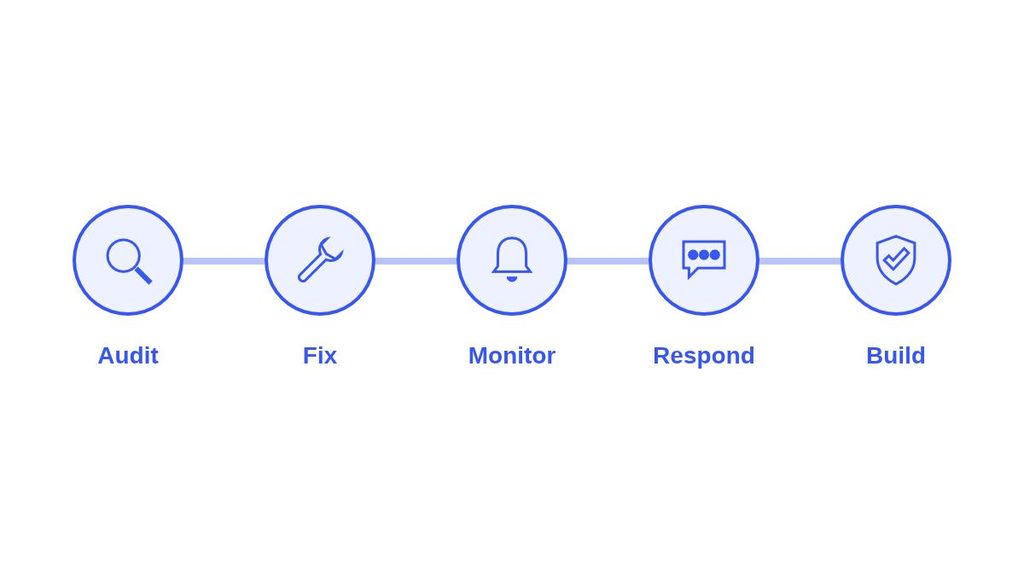
The work runs in six steps, in this order.
1. Audits what people see
Brand search results are what appears when someone searches your business name or your own name. The audit covers the first two pages of those results, your Google Business Profile and its reviews, your ratings on the listing sites that matter in your field, comments and tags on your social pages, and any news or blog coverage.
Each item is marked three ways: accurate or wrong, yours or someone else’s, fair or policy-breaking.
My first advice to an upset owner is to take screenshots and save the links before anything changes. The first thing not to do is reply while angry.
2. Fixes what you control
Wrong phone numbers, old addresses, outdated hours, abandoned social pages and a thin About page are all in your hands. They are the quickest wins, so they come first.
3. Sets up monitoring
Social listening means tracking mentions of your brand on social media and the wider web, including posts that do not tag you. A workable routine is:
- Daily: new reviews, and comments and messages on your own pages
- Weekly: new mentions of your name. Google Alerts, a free Google tool, can email these to you
- Monthly: what shows for your brand name in search
4. Responds well
A review response is your public reply under a customer’s review. The framework is further down.
5. Builds honest proof
This means asking every real customer for a review, with nothing offered in return, and publishing accurate content about your work, people and policies on your own website and profiles.
6. Reviews monthly
A monthly review covers new reviews and replies, open complaints, repeated causes, what ranks for your name, and what changes next.
How is ORM different from PR and from SEO?
PR earns coverage in the media through stories and relationships. SEO earns rankings for searches about what you sell. ORM manages what people find and say when they look for you by name, and it borrows from both.
What can be removed, what can only be answered, and what has to be outweighed?
| What is being said | Where | Can it be removed? | What the consultant does |
| Genuine negative review | Google and listing sites | No. A real customer’s opinion stays | Replies well, fixes the cause, earns newer reviews honestly |
| Fake or policy-breaking review | Google and other review platforms | Possibly. The platform decides after a report | Documents the policy breach, reports it through the official route, appeals if eligible |
| Complaint on social media | Your pages, the customer’s own post, groups | Rarely. You can hide abuse on your own page, not a customer’s post | Replies once in public, moves details to private messages, confirms the fix in public |
| News article or blog post | The publisher’s website | Only by the publisher, or through a legal route handled by a lawyer | Asks for a correction if facts are wrong, and publishes your own accurate account |
| Outdated or wrong business information | Your profile, directories, old pages | Mostly yes. You or the site owner can correct it | Corrects each listing, then asks Google to refresh results showing the old version |
| Old content about the owner | Old profiles, forums, past ventures | Sometimes. It depends on the site owner and on Google’s conditions | Updates or closes profiles you own, and writes to site owners about the rest |
Can negative Google reviews be removed?
Only if they break Google’s policies. Google’s help page on reporting reviews says: “You can report any review, but only those that violate Google policies are eligible for removal.” It adds: “Do not report a review just because you disagree with it or dislike it.”
The same page says evaluation “typically takes several days”, and that a one-time appeal is available if the review is not removed.
When someone asks me to get reviews removed or to arrange positive ones, my answer is the same every time. I will report what breaks policy, and I will not arrange reviews.
Can a negative article or search result be removed from Google?
A takedown request is a formal request asking a website or platform to remove content. Google does not own the pages it lists, so the first step is the publisher.
If the publisher corrects or deletes the page, Google’s Refresh Outdated Content tool asks Google to update results that still show the old version. For content about you that is still live, Google Search Help says “Google can remove it under certain conditions”, which are listed on its page about removing web results.
If you believe content is unlawful, that is a matter for a lawyer, not a consultant. Google has an official page for reporting content for legal reasons.
How do you outweigh what cannot be removed?
You publish and strengthen accurate content you control: complete pages about your company and people, active profiles, and clear answers to the questions customers raise.
Online reputation management for business is mostly this patient work. Nobody can promise where a page will rank, but a searcher who finds ten accurate results reads one old complaint differently. The search side of this is covered on my SEO consultant in Chennai page.
How should a business reply to a negative review?
Use four steps, in this order:
- Acknowledge. Thank the person and name the specific issue they raised.
- Own or clarify. Apologise where you were wrong. Where you were not, state the facts calmly, with no private details about the customer.
- Offer a route. Say who they can speak to and how, so the matter can be resolved.
- Follow up. Once it is resolved, add a line saying so. Leave it to the customer to decide whether to update the review.
Illustrative example: “Thank you for telling us about the delay at billing on Saturday. That wait was too long and we are sorry. Our front office manager would like to speak with you, so please message us through this profile. We have added a second counter on weekends.”
The harder question is whether to reply at all:
- Reply publicly when a real customer describes a real experience. Other readers are your audience.
- Take it offline when the matter involves personal, medical or payment details. Acknowledge it in public and resolve it in private.
- Leave it alone when it is abuse or bait with no customer behind it. Report it if it breaks policy, and do not argue.
Complaints on social media move faster than reviews. Reply once in public, move the details to private messages, and return to the thread when it is solved. Do not delete genuine complaints from your own page. Preparing your pages for this is part of what a social media marketing consultant in Chennai does.
Can you search your own brand in 15 minutes?
Yes. Open a private browser window, so your own history does not shape the results, and answer yes or no.
- Search your business name. Is your own website the first result?
- Is everything on the first page accurate and current?
- Search your name with “reviews”. Do you recognise every site that appears?
- Search your name with “complaints”. Is the page free of surprises?
- Search the name of the owner or the person most associated with the business. Are the results accurate?
- Open your Google Business Profile. Has every review from the last three months had a reply?
- Read your three most recent negative reviews. Do they point to different problems, not the same one?
- Are your phone number, address and hours the same wherever they appear?
- Check comments and tagged posts on your social pages. Is every complaint answered?
- Look at the image results for your name. Is everything there current and yours?
Every “no” is a task. If you would like help ordering them.
How does the work differ for a local business, a brand and a professional?
A local business with reviews. For a clinic, restaurant or school, reputation lives in ratings and replies. The work is steady replies, fixing the cause that keeps coming up, and asking for reviews honestly, which I cover in my guide to working with a local SEO expert in Chennai.
A brand with press or social complaints. For a builder, a retail brand or a hospital group, reputation lives in search results and comment threads. The work is monitoring, one named owner for responses, and a clear public account of the facts. If the brand looks different on every channel, a corporate branding expert comes first.
A professional whose name is the brand. For a doctor, lawyer, consultant or founder, the search is for a person. The work is owning the basics: a personal website or profile page, complete professional profiles, and published work under your own name.
What should you never do when managing your reputation?
Each of these breaks platform rules, and each tends to make the problem worse. The quotes are from Google’s Maps content policy.
- Buying or rewarding reviews. The policy prohibits “reviews or ratings that have been paid for, directly or in kind”.
- Review gating, which means asking only happy customers. Merchants may not “selectively solicit positive reviews from customers”.
- Reviews by staff, family or the owner. The policy prohibits “content that is based on a conflict of interest”.
- Fake profiles. It also prohibits “content that has been posted from multiple accounts by or at the request of one person”.
- Mass flagging of genuine reviews. Google says not to report a review because you dislike it.
- Threatening or pressuring reviewers. Merchants may not “discourage or prohibit negative reviews”.
- Paying someone who promises removal. The platform decides, not the seller.
India also has a standard for online consumer reviews, IS 19000:2022. The Government of India’s note on it says the standard applies to “every online platform which publishes consumer reviews”.
How long does it take to improve an online reputation, and what affects the cost?
There is no timeline I can promise. Corrections to your own listings show quickly. Reports on reviews take days and may be declined. Ratings and brand search results change slowly, as honest new reviews and accurate content build up.
The fee moves with four things:
- Platforms and locations: one profile or many.
- Volume of reviews and mentions to handle.
- Severity: routine complaints or a serious, public issue.
- Monitoring only, or monitoring plus response and content.
Illustrative example: parents searching a school’s name see an old forum thread about a fee dispute. The work is to publish a clear fee policy, complete the school’s profiles and reply to recent reviews. The thread may stay, but it stops being the only thing a parent reads.
How do you choose an ORM consultant in Chennai?
Anyone can call themselves an ORM expert in Chennai, and many online reputation management services in Chennai are sold as packages with a removal promise. Ask these questions first:
- What will you audit, and what will I receive in writing?
- What can you not do? A reputation management consultant worth hiring will name the limits before the fee.
- How will new reviews be requested?
- Who writes the replies, and who approves them?
- What will you report each month?
- Will every login and profile stay in my name?
Walk away from guaranteed removal, a rating target by a date, bundles of reviews, or claims of special access to a platform.
Should you hire a consultant, an agency or use software?
- Software collects reviews and alerts in one place. It does not decide what to say.
- An agency gives you a team to monitor daily, reply and produce content.
- A consultant sets the approach and the reply rules, and handles the difficult cases.
In my own work, I set the approach, and day-to-day monitoring and content are handled by the team at Notion Graffiti.
If reputation is one part of a wider marketing problem, my digital marketing consultant in Chennai page explains how I work across channels. To go through your search results together, request a free consultation.
FAQs
What does an online reputation management consultant do?
An online reputation management consultant audits what people see when they search your name, corrects the information you control, sets up monitoring, guides how you reply to reviews and complaints, and helps you build honest proof through real reviews and accurate content. The work is reviewed every month.
Can negative Google reviews be removed?
Only when they break Google’s policies. Google says you can report any review, but only those that violate its policies are eligible for removal, and you should not report a review because you disagree with it. A genuine negative review stays, so the right response is a good public reply.
How should a business reply to a negative review?
Acknowledge the specific issue, apologise where you were wrong or calmly clarify the facts, offer a clear way to resolve it, and follow up once it is fixed. Keep private details out of the reply. You are writing for future readers as much as for the reviewer.
Can a negative article be removed from Google search results?
Google does not own the pages it lists, so removal starts with the publisher. If a page is corrected or deleted, Google’s Refresh Outdated Content tool can update the result. If you believe content is unlawful, speak to a lawyer. Everything else has to be outweighed with accurate content you control.
How do I choose an ORM consultant in Chennai?
Ask what they will audit, what they cannot do, how reviews will be requested, who writes and approves replies, and what they report each month. Make sure every login stays in your name. Avoid anyone who guarantees removal, promises a rating by a date or sells reviews.
Is it time to talk about your reputation?
If your 15-minute search turned up more than you expected, a calm conversation is a good next step. I am Amjad Moulana, Founder and CEO of Notion Graffiti, with over a decade of experience as a branding and digital marketing strategist. As an online reputation management consultant, I will tell you first what can be changed and what cannot.
My free 1:1 consultation includes a personalised marketing audit and a growth roadmap, and my team replies to form enquiries within 24 hours.